Acupuncture…
where should we begin?
Acupuncture is a healing practice that originated in China over 2,000 years ago. Its earliest written records appear in texts such as the Huangdi Neijing (Yellow Emperor’s Inner Classic), which outlines theories of qi (vital energy), meridians (energy pathways), and the balance of Yin and Yang. Over centuries, practitioners refined point selection, needle techniques, and diagnostic methods. Acupuncture spread across East Asia and, in modern times, worldwide integrating with biomedical knowledge and spawning research on mechanisms such as nervous system modulation, local tissue effects, and neurochemical release.
What to Expect During a Session
Intake and assessment: Your practitioner will review your medical history, current symptoms, lifestyle, and goals. They may examine your tongue, pulse, posture, or movement depending on the approach.
Treatment plan: A recommended course of care and goals will be discussed, including frequency and duration of sessions.
Preparation: You’ll lie on a treatment table, typically fully clothed except for areas being treated. Relaxed breathing and comfortable positioning are encouraged.
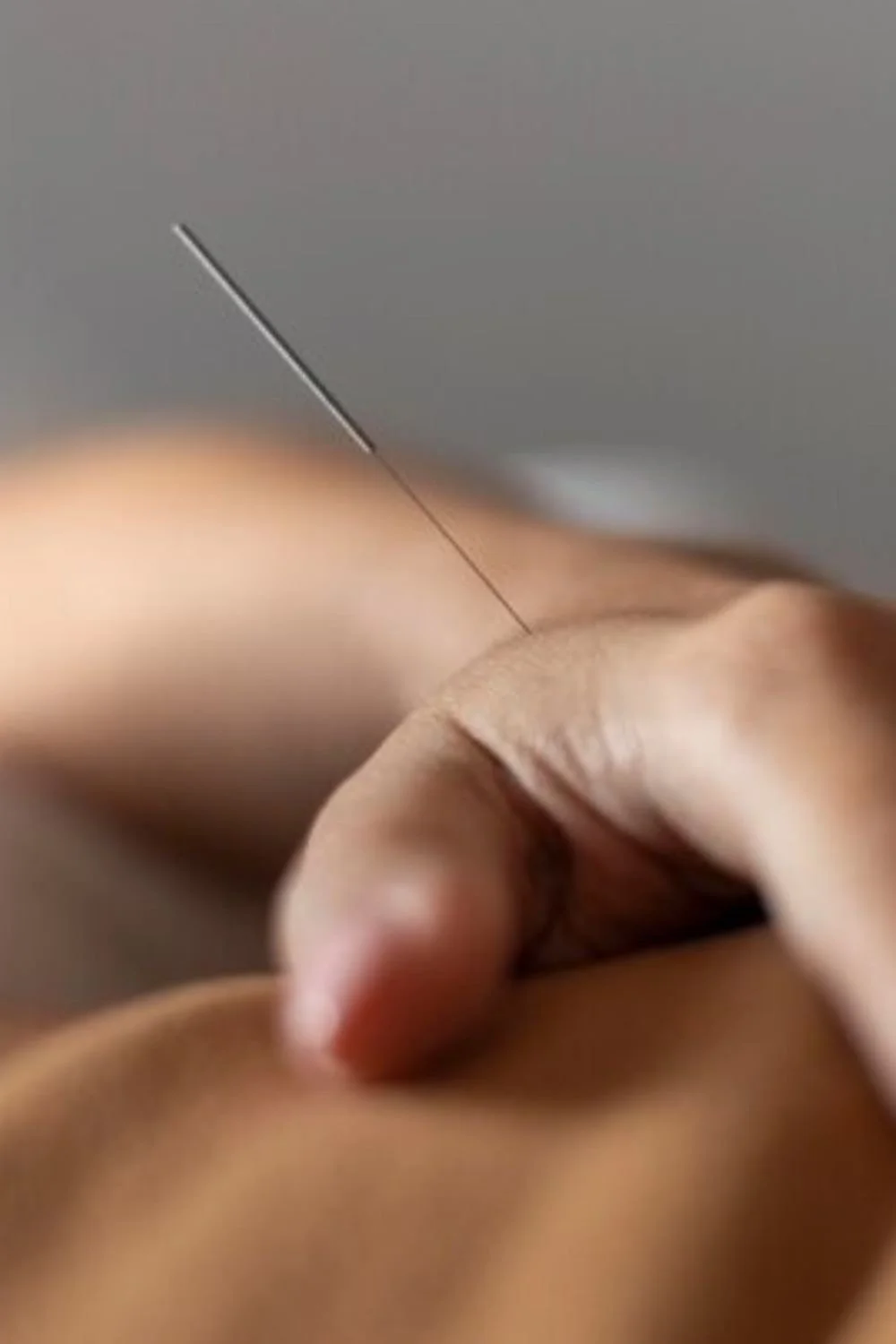
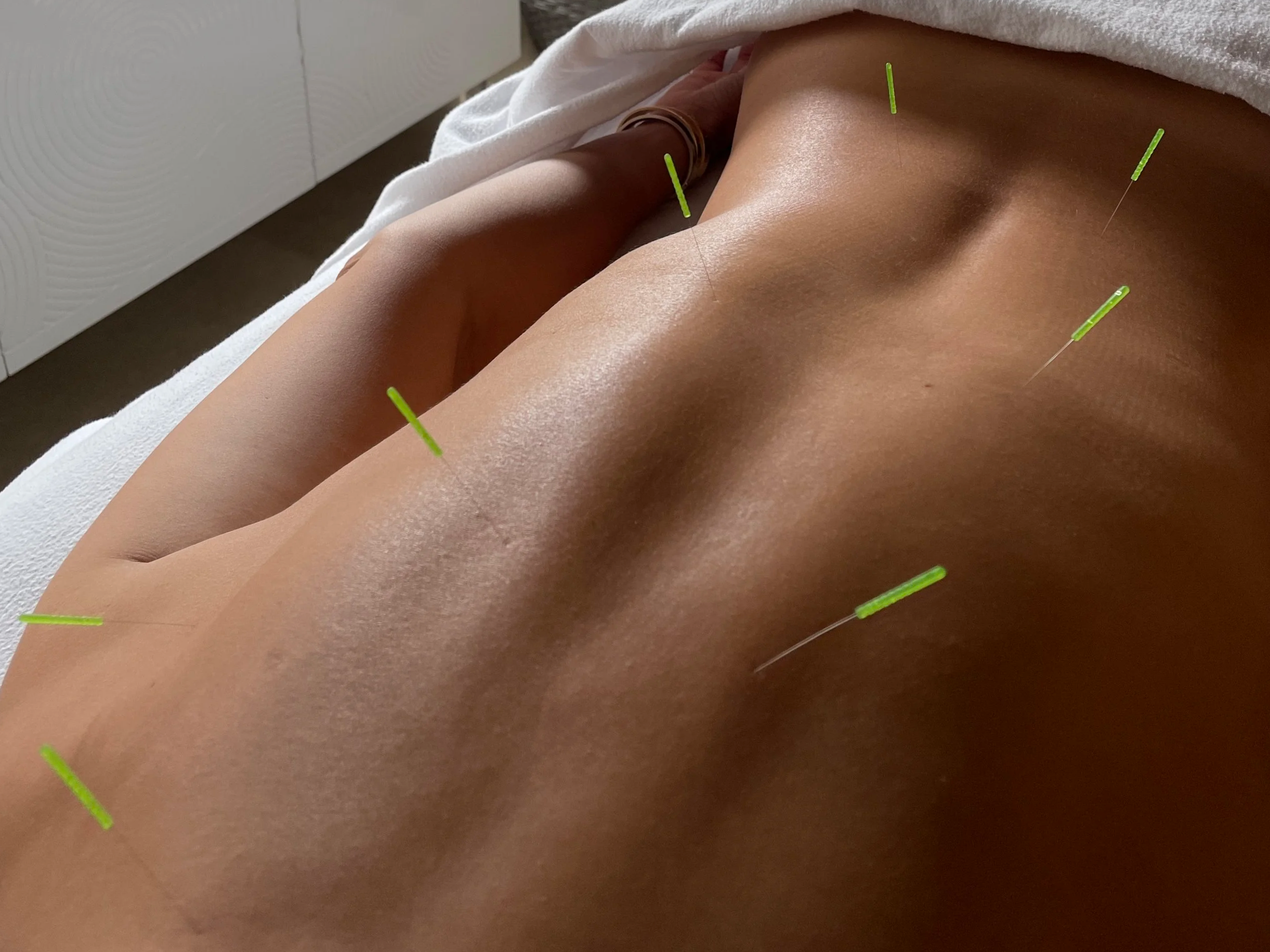
Needle insertion: Fine, sterile, single-use needles are inserted at specific points. Needles are usually left in place for 15–30 minutes while you rest.
Adjunct techniques: Depending on needs, your session may include cupping, moxibustion (gentle heat), electroacupuncture (low electrical stimulation), gua sha, or other therapies.
Aftercare: Your practitioner may give lifestyle, diet, or exercise recommendations and schedule follow-up appointments.
Does It Hurt?
Most people feel minimal discomfort. Needles are very thin, much thinner than hypodermic needles and insertion typically causes a brief, light sensation (a pinch or pressure). After insertion, you may experience:
Aching, heaviness, warmth, or mild tingling near the point (referred to as deqi in traditional terms).
Relaxation or drowsiness during treatment. Soreness or tiny bruises at insertion sites are possible but usually mild and short-lived. If any sharp pain occurs, tell your practitioner immediately so the needle can be adjusted
Acupuncture is commonly used for:
Pain conditions: low back pain, neck pain, osteoarthritis, headaches, sciatica, and sports injuries.
Women’s health and fertility support: menstrual irregularities, pelvic pain, IVF and IUI support (through all stages of the IVF cycle).
Stress, anxiety, and sleep disturbances.
Digestive issues: IBS and functional GI complaints.
Supportive care for chronic conditions: certain neuropathies, perioperative symptom management, and as an adjunct to conventional treatments. Good candidates are adults and adolescents willing to commit to a series of treatments, open to lifestyle recommendations, and seeking conservative, non-pharmacologic symptom relief. Individuals with bleeding disorders or those on certain anticoagulants should disclose this so the practitioner can tailor care. Pregnant patients should receive specifically appropriate protocols.
Outcomes We Emphasize
Symptom reduction: decreased pain intensity, fewer headaches, improved joint or muscle function.
Functional improvement: better mobility, increased ability to perform daily activities, and enhanced athletic performance or recovery.
Stress and sleep benefits: lowered anxiety levels, calmer nervous system responses, and improved sleep quality.
Complementary support: improved outcomes when used alongside physical therapy, medical care, or fertility treatments.
Individualized progress: measurable changes after a few sessions for acute issues; chronic conditions often require a planned course (commonly 6–12 sessions) with reassessment.
Safety and Practical Notes
Licensed practitioners: Our clinicians use sterile, single-use needles and follow strict safety protocols.
Treatment frequency: Acute conditions often improve with 1–2 sessions per week; maintenance or chronic care may move to weekly or biweekly then taper.
Realistic expectations: Acupuncture can significantly reduce symptoms and improve quality of life for many people, but results vary. It is most effective when integrated with appropriate medical care and healthy lifestyle choices.
Communication: Tell your practitioner about medications, supplements, and any medical implants. Report unexpected sensations or concerns during treatment.
If you’re considering acupuncture, expect a personalized treatment plan, gentle techniques, and a focus on improving symptoms, function, and overall wellbeing.
ividualized treatment plan.
Safe, sterile needle techniques performed by licensed practitioners.
Sessions that focus on symptom relief, functional restoration, and long-term resilience.
Coordination with your medical providers as needed, especially for fertility and complex medical cases.
Outcomes we emphasize
Pain reduction and improved mobility.
Enhanced reproductive outcomes and reduced IVF-related stress.
Decreased anxiety and improved sleep.
Better digestive function and symptom control.
Improved overall function and quality of life in complex cases.
Practical details
Initial consultation includes health history review and treatment planning.
Typical session length: 45–60 minutes.
Frequency and program length are individualized based on goals and response.
For appointments or clinical questions, contact our clinic to discuss your specific condition and create a tailored plan.